
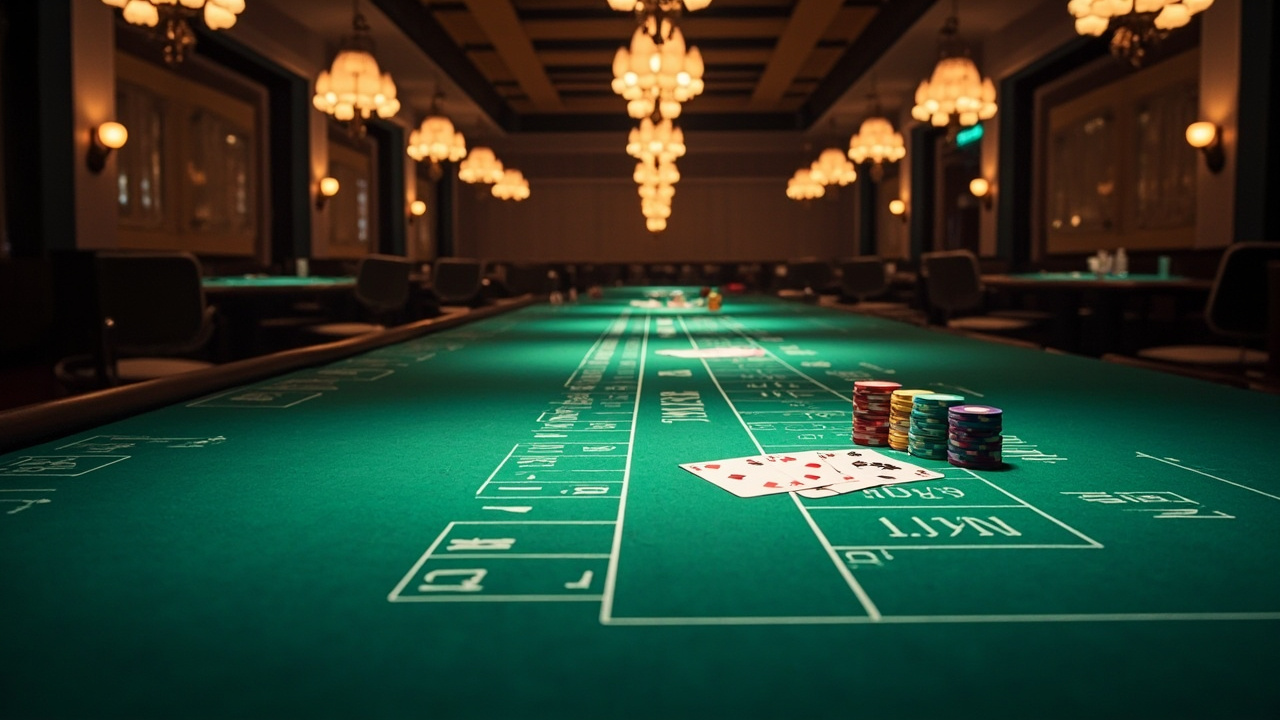
If you have ever watched a craps table melt down into a noisy scramble, you already know why the place bet on 4 and 10 earns its keep. It is a quieter wager, one that sits out of the main crossfire and pays when the dice cooperate. For Australians chasing that specific rhythm, craps place bet 4 and 10 explained properly means understanding where the edge sits, how the payout differs from the come line, and why a measured stake matters more than a hot streak.
The Mechanics Behind the 4 and 10 Place Wager
A place bet on 4 or 10 is a standing wager that stays active until the number hits or the table rolls a seven. You are not racing against a come-out roll here; you are waiting for a specific outcome to land before the seven ends the sequence. The payout on 4 and 10 is nine to one, which sounds generous until you factor in the true odds and the house edge that comes with it. In practice, that means the bet can string along a few dry rolls and then pay out in a single hit, which is exactly why seasoned players keep it as a background position rather than a headline play.
Just as you lock in a place bet and wait for the dice to settle, navigating digital platforms works best when you understand the underlying mechanics before committing your bankroll. Whether you are tracking odds on a felt table or exploring decentralized networks, having a reliable resource to consult can make all the difference. You can streamline your experience and access detailed walkthroughs by visiting the sol casino app at https://cialisqnz.com/guides/solana/.
I have built wagering products across APAC and advised operators on compliance and payments, and the same discipline applies here: a bet with a clear payoff profile only works when the staking plan respects the house edge instead of chasing it. That is the difference between a place bet that quietly smooths a session and one that burns through a bankroll because the player treated nine to one as a near-certainty.
When you are reading numbers on a screen or at a felt table, it helps to compare the layout against a proper reference, and reading a craps odds chart before playing online is the kind of habit that keeps the maths honest. The chart tells you what the payout is, what the true odds are, and where the edge actually lives, which matters because place bets on 4 and 10 carry a higher house edge than the pass line or come bets with comparable odds.
How the Numbers Play Out in Real Sessions
The 4 and 10 come up less often than 6 or 8, so the place bet sits in a different tempo. You are waiting for a harder combination of dice to land, and that thinner hit rate is exactly what justifies the nine to one payout. The catch is that a seven rolls more frequently than most players intuitively expect, and any seven wipes the place bet before it gets paid. That is why the bet works best as a small, patient position rather than a loud all-in play.
From a product and payments standpoint, I have seen operators design stake flows around exactly this kind of rhythm, where the player is not trying to force a result but simply holding a defined position with a clear exit. That mindset translates well to craps, because the place bet on 4 and 10 is not a momentum bet; it is a waiting bet, and the session only works when the player accepts the dry spells as part of the structure.
Down Under, we tend to treat table games with a different level of scrutiny than many overseas markets, and the contrast is worth noting. In parts of the US and Europe, the same wager sits inside a broader ecosystem of table etiquette, printed odds, and operator transparency that has been normalised over decades. Here, the regulatory conversation is more cautious, and Australian courts have heard landmark cases on casino duty of care, which shapes how operators present risk and how players should read the maths on offer. The wager itself does not change, but the surrounding expectations do, and that is why a clear-eyed read of the payout matters more than the noise around the table.
For anyone weighing a sol casino app as part of a broader session, the same principle holds: the platform should make the bet easy to place, the payout obvious, and the stake limits visible before you commit, rather than burying the maths behind a slick interface. A place bet on 4 and 10 should feel like a deliberate position, not a tap-and-hope moment, and the platform’s usability is part of whether that discipline holds up in practice.
Player Fit: Who This Bet Suits and Who Should Skip It
This wager suits a player who wants a defined, low-drama position and is comfortable with a thinner hit rate in exchange for a clean nine to one payout. It is a good fit for someone who understands that the seven is always lurking and that the bet is meant to be held, not hammered. It is a poor fit for anyone treating the table like a fast payback machine, because the place bet on 4 and 10 rewards patience and punishes impatience. Reading a Craps Odds Chart Before
If you are the kind of player who likes to anchor a session around a couple of standing numbers and keep the rest of the action modest, the 4 and 10 place bet can sit neatly into that approach. If you want action that feels continuous and immediate, the come line and pass line usually match that tempo better, and forcing the place bet into that style only wears on the bankroll.
The smartest way to approach it is as a measured component of a larger session, not the whole session, and that is where the bet earns its place. Matched betting uses free-bet offers to lock in small risk-free gains, but that is a different discipline entirely, and the place bet on 4 and 10 is not a promotional play; it is a structural one, which means its value comes from how you size it and how long you are willing to let it sit.
A Final Word on the 4 and 10 Place Bet
Craps place bet 4 and 10 explained properly comes down to one plain idea: it is a patient, nine to one position that pays when the dice land on your number and resets when the seven shows up. For a disciplined Australian player who wants a quiet wager with a clear payoff and a realistic read of the edge, it can fit neatly into a measured session. For anyone chasing fast action or treating the payout as a near-certainty, it is the wrong tool, and no amount of table noise changes that.